
Dr. Brian K. Barber
Event information
Dr. Brian K. Barber
"No Way But Forward": Life in Gaza
DATE: January 13, 2026 6:00 pm
LOCATION: Zoom Only
Even before its latest war, Gaza was one of the most combatted corners in the Middle East. After its capture by Israel during the six-day war in 1967, Gaza saw four conflicts and two national uprisings against its occupiers. Then, on October 7, 2023, the Hamas leadership in Gaza launched a terror attack on southern Israel, killing over 1,000 Israelis, and provoked an Israeli assault that left at least 70,000 Palestinian dead, according to the Gazan authorities. Ninety percent of the housing stock was destroyed.
How do you raise a family, educate your children and provide food and shelter in the midst of this humanitarian catastrophe? How do normal people cope?
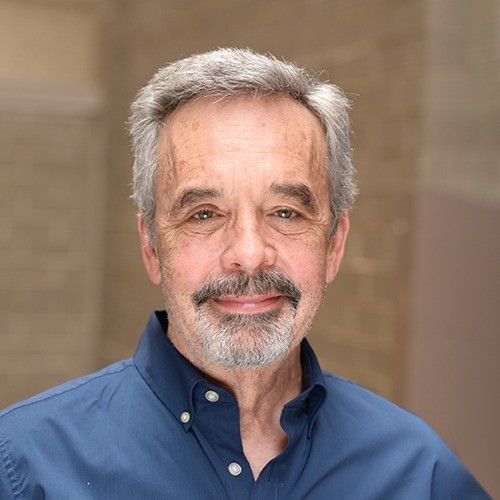
Author Brian K. Barber, PhD., took on these questions at the Baltimore Council on January 13th. His new book is titled “No Way but Forward, Life Stories of Three Families in the Gaza Strip,” and he discussed the human story amidst the chaos as well as his own experience tracking their lives for 30 years.
A social science professor at Brigham Young University, he first set off in 1994 to explore Palestinian social patterns and has been back perhaps 50 times. The three families he befriended have been through a lot: a teenage son arrested for throwing stones at Israeli security forces and sentenced to nine months in prison; the knock on the door at 5am warning them to leave in 10 minutes because their house is to be bombed; the deaths of close relatives during the latest war. Then there’s the Palestinian Authority trying to assert control over Hamas by arbitrarily cutting wages and services. Despite everything, Gazans still nurture their hopes for a state of their own. The title of the book is the common greeting amidst adversity: “No way but forward.”
Dr. Barber is a non-resident senior scholar at the Middle East Policy Council, a senior fellow at the Institute for Palestine Studies and professor emeritus at the University of Tennessee. He is the author of Adolescents at War, How Youth Deal with Political Violence, and editor of Intrusive Parenting, How Psychological Control Affects Children and Adolescents. He has published articles in Global Public Health, Child Development and the Journal of Adolescent Research and other journals.
A tip to our members: his book is available for a bargain price of $2.99 on Amazon Kindle. It is a gripping read. A link is included below for reference.
Contact programs@bcfausa.org for more information or to register for our next event. Attendance is free for BCFA members. Tickets are $10 for the guest of a member, $25 for non-members, and $10 for students.
Share:
Questions about the program?
JOIN OUR MAILING LIST
Be the First to Hear about Upcoming Speakers

The Baltimore Council on Foreign Affairs is purely a local organization in programming, governance and support.
Quick Links
Get In Touch
© BCFA All Rights Reserved.