
David Ignatius
Event information
David Ignatius
A Conversation with David Ignatius: War in the Middle East
DATE: April 7, 2026 6:00 pm
LOCATION: St. Mary's Seminary & University and Zoom
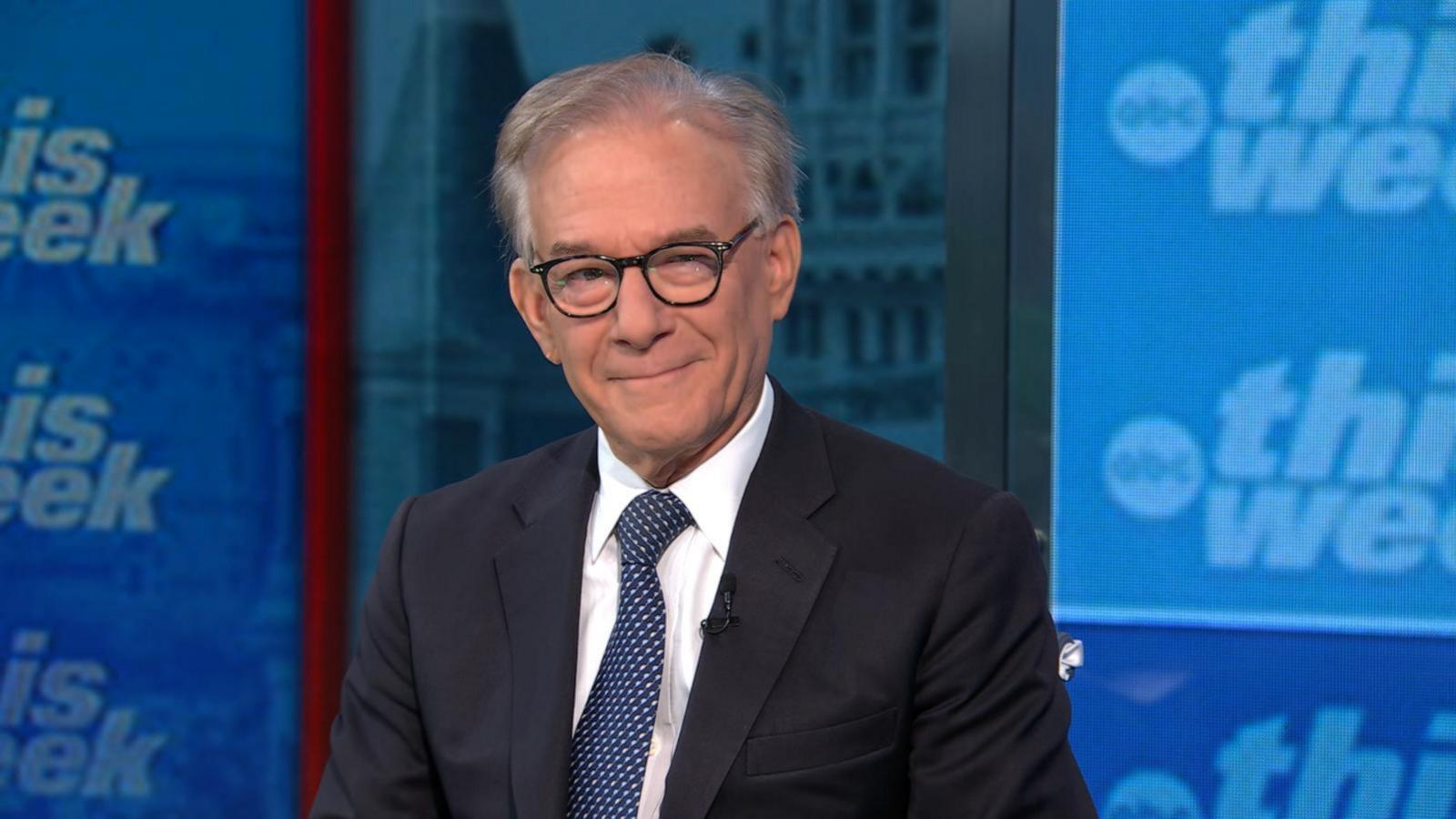
David Ignatius is one of the country’s leading writers on intelligence and foreign affairs. His thoughtful, well-researched opinion columns run twice weekly in the Washington Post and are syndicated worldwide, enlivening the debate on U.S. foreign policy well beyond the Beltway. He’s also a regular contributor to the Morning Joe show on MSNOW.
On April 7, David Ignatius will be our guest at the Baltimore Council on Foreign Affairs. His recent columns set the stage for a discussion about current issues and calamities: the mistake of relying on decapitation as a tool of regime change; how Europe is pulling together in response to Putin’s campaign of sabotage; and Ukraine’s plans for keeping Russia at bay. Plus, he’s been covering the Middle East for 45 years.
David went into journalism after studying at Harvard and Kings’ College in Cambridge. He started at the Wall Street Journal, where he covered the steel industry, diplomacy, intelligence and the Middle East. and then moved to the Washington Post where he’s been for 40 years. He’s been editor for the Outlook section, foreign editor, assistant managing editor, executive editor at the International Herald Tribune and since 1998 foreign affairs columnist.
Amazingly, he’s also written 12 spy novels, one of which, ‘Body of Lies,’ became a film with Leonardo di Caprio and Russell Crowe. And he wrote the libretto for an opera on Machiavelli in the modern era, called The New Prince.
We invite BCFA members to join us in person at St. Mary’s Seminary in Roland Park or over our Zoom live feed. Please join what is sure to be a scintillating discussion.
Contact programs@bcfausa.org for more information or to register for this event. Attendance is free for BCFA members. Tickets are $10 for the guest of a member, $25 for non-members, and $10 for students.
Background
- March 13, 2026: “Israeli Officials Voice Concerns as Iran War Drags On,” Seoul Economic Daily
-
March 12, 2026: “Iran’s Islamic Republic 2.0 is coming – and it won’t be pretty,” Washington Post
- March 6, 2026: “A Sprawling Middle East War Explodes,” International Crisis Group
-
February 24, 2026: “A Guide to the Gaza Peace Deal,” Council on Foreign Relations
-
February 18, 2026: “‘Difficult’ Russia-Ukraine peace talks end without breakthrough,” BBC
Share:
Questions about the program?
JOIN OUR MAILING LIST
Be the First to Hear about Upcoming Speakers

The Baltimore Council on Foreign Affairs is purely a local organization in programming, governance and support.
Quick Links
Get In Touch
© BCFA All Rights Reserved.