
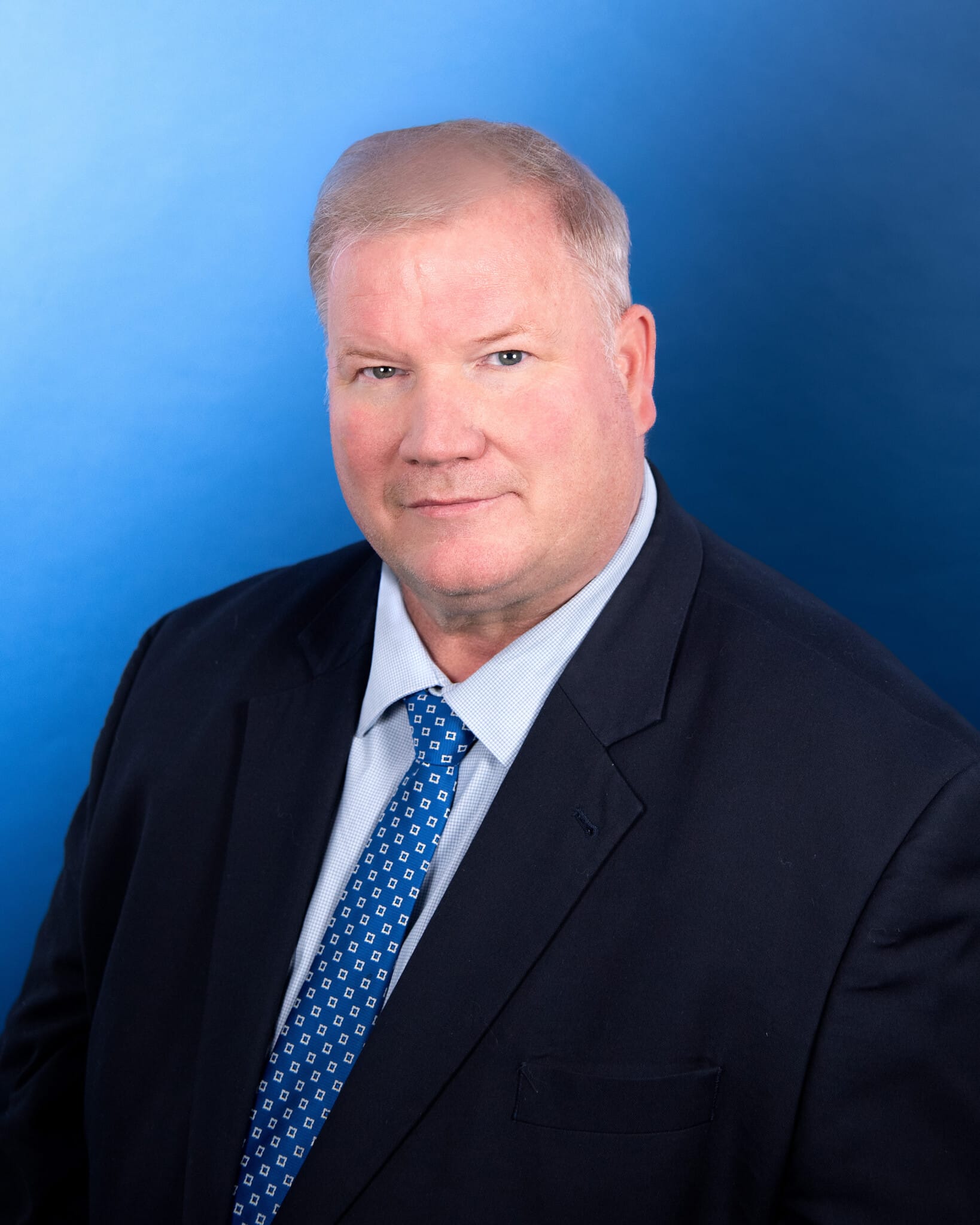
Rear Admiral (Retired) Mark Montgomery
Event information
Rear Admiral (Retired) Mark Montgomery
Lessons from Ukraine and Applications for Taiwan
DATE: June 10, 2026 6:00 pm
LOCATION: St. Mary's Seminary & University and Zoom
The conflict in Ukraine has generated much discussion on what the future for Taiwan may be. Will China feel emboldened by the war, and expect a similar response if they invade Taiwan? Does the protracted nature of the Russia-Ukraine conflict make China more cautious? How can Taiwan learn from Ukraine and best prepare to defend its democracy? BCFA’s next speaker, Rear Admiral (Retired) Mark Montgomery will address these questions as he discusses key analysis from Ukraine and how it applies to Taiwan.
Mark Montgomery is the Senior Director of the Center on Cyber and Technology Innovation (CCTI), as well as a Senior Fellow at the Foundation for Defense of Democracies (FDD). At CCTI, Mark develops policies to secure our national critical infrastructures in cyberspace. At FDD, he works with beleaguered democracies such as Taiwan, Ukraine, South Korea and Israel.
Previously Mark served as Executive Director of the Cyberspace Solarium Commission and Policy Director of the Senate Armed Services Committee under Senator John McCain. Mark served for 32 years as a nuclear-trained surface warfare officer in the U.S. Navy, retiring as a Rear Admiral. His flag assignments included Director of Operations at U.S. Pacific Command; Commander of Carrier Strike Group 5; and Deputy Director, Plans, Policy and Strategy at U.S. European Command. Mark is a graduate of the University of Pennsylvania and Oxford University.
Mark spends two weeks each calendar quarter in Ukraine advising government and military officials. Those two weeks are followed by two weeks in Taiwan advising Taiwanese government and military officials. Mark will share with the Council his take-aways from his many visits to Ukraine and Taiwan; many of these take-aways can also be applied to the U.S.
Join us June 10th for what is sure to be a riveting and insightful discussion on the future of two important democracies.
Contact programs@bcfausa.org for more information or to register for this event. Attendance is free for BCFA members. Tickets are $10 for the guest of a member, $25 for non-members, and $10 for students.
Background
- May 14, 2026: “Xi warns Trump of possible conflict over Taiwan at grand Beijing summit,” NBC News
- May 13, 2026: “Taiwan is a ‘model ally,’ not trade bait,” Defense One
- May 13, 2026: “Why Taiwan is a major flashpoint between the U.S. and China as Trump meets with Xi,” CBS News
- May 12, 2026: “Russia launches massive daytime attack with over 200 drones across Ukraine,” Independent
- February 24, 2026: “Global Conflict Tracker: War in Ukraine,” Council on Foreign Relations
Share:
Questions about the program?
JOIN OUR MAILING LIST
Be the First to Hear about Upcoming Speakers

The Baltimore Council on Foreign Affairs is purely a local organization in programming, governance and support.
Quick Links
Get In Touch
© BCFA All Rights Reserved.