Ukrainian General Staff: about 1,100 Russian casualties in the last day
The estimated total combat losses of the enemy from 24.02.22 to 02.12.25: personnel: about 1 175 030 (+1 110) persons tanks: 11 387 (+0)troop-carrying AFVs: 23 679 (+1)
d Forces of the Russian Federation continue the special military operation. Units of the Sever Group of Forces inflicted losses on formations of three mechanised brigades, one air assault brigade of
The estimated total combat losses of the enemy from 24.02.22 to 01.12.25: personnel: about 1 173 920 (+1 060) persons tanks: 11 387 (+1)troop-carrying AFVs: 23 678 (+6)
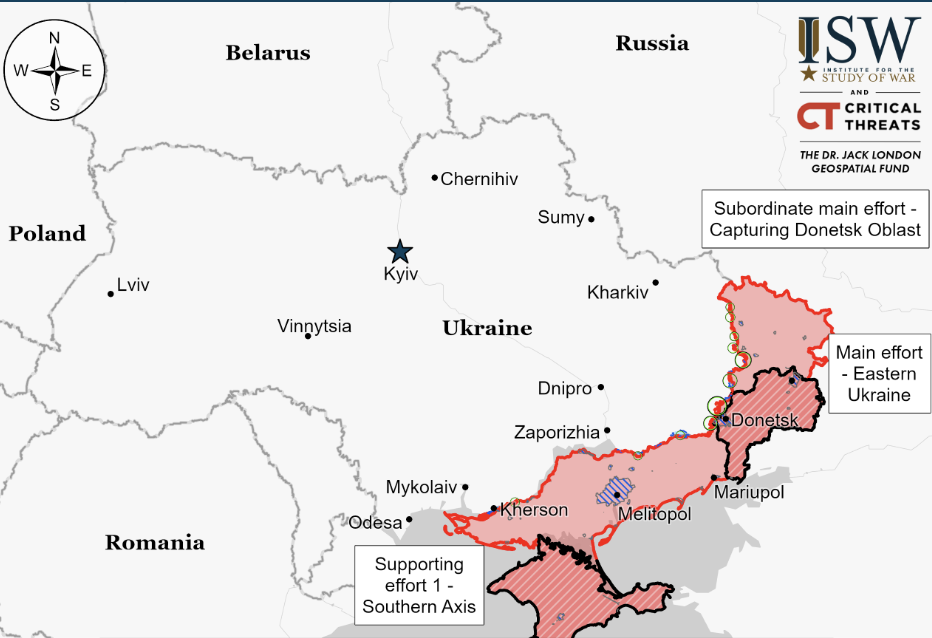
US-Ukrainian talks reportedly continued in Florida on December 1 ahead of US Special Envoy to the Middle East Steve Witkoff’s meeting with Russian President Vladimir Putin on December 2 to
The Armed Forces of the Russian Federation continue the special military operation. The Sever Group of Forces inflicted fire damage on formations of two mechanised brigades, an air assault brigade of
The estimated total combat losses of the enemy from 24.02.22 to 30.11.25: personnel: about 1 172 860 (+1 160) personstanks: 11 386 (+5)troop-carrying AFVs: 23 672 (+14)artillery systems: 34 740
US Secretary of State Marco Rubio stated that the US-proposed peace plan aims to ensure Ukraine’s independence, sovereignty, and economic development, during the US-Ukrainian talks in Hallandale Beach, Florida on
Russian Defence Ministry on progress of special military operation as of 29 November 2025 In response to the terrorist attacks launched by Ukraine against civilian facilities on the territory of Russia, the
The estimated total combat losses of the enemy from 24.02.22 to 29.11.25: personnel: about 1 171 700 (+910) personstanks: 11 381 (+1)troop-carrying AFVs: 23 658 (+15)artillery systems: 34 733 (+3)MLRS:
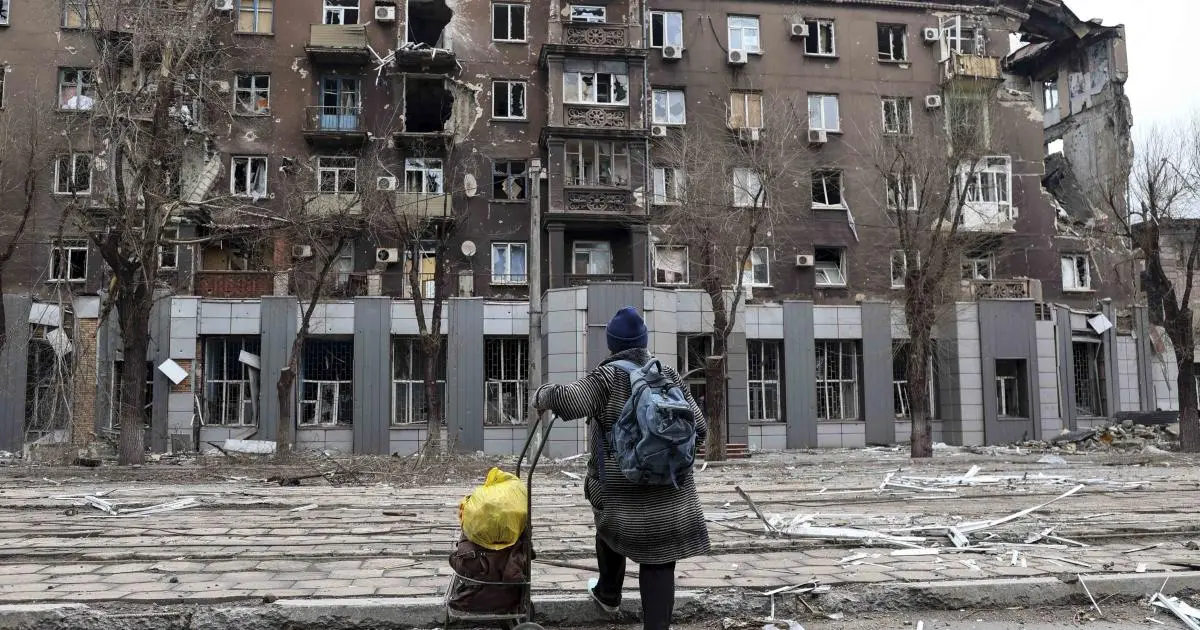
Forced displacement represents one of the most pressing humanitarian issues of our time. Individuals and families, torn from the fabric of their communities, find themselves navigating a world of uncertainty, often without basic necessities or a clear path to safety. There are currently some 110 million forced displaced, and this number is growing by 10 million each year!
At the heart of this crisis are the political triggers. Armed conflicts, ethnic or religious persecutions, and systemic human rights abuses force millions to flee their homes in terror. Many are displaced within their own national boundaries, while others seek asylum abroad. If these factors change as a result of political shifts at home or the pressures from abroad, they can return to their homes. Forced displacement is thus different from environmentally driven displacement, as victims of climate change may never be able to return to their homes.
The ramifications of any sort of displacement are profound, not just for those directly affected, but also for host communities and countries. Overburdened infrastructures, socio-economic strains, and cultural tensions can arise, necessitating comprehensive strategies to foster harmony and integration. Yet the root causes of forced displacement can be remedied with a concerted focus by local players and international diplomacy.
Organizations like Refugees International play a crucial role in this arena, advocating for the rights and needs of the displaced, conducting on-the-ground assessments, and influencing policymakers to take informed actions. Their relentless work underscores the gravity of the situation and the urgency ofinternational cooperation. But they, too, are overwhelmed by the rapid expansion of the crisis.
International Humanitarian Law (IHL), with its core principles centered on the protection of civilians during conflicts, plays a pivotal role in this discourse. Yet, despite clear legal frameworks, compliance remains
inconsistent. This initiative emphasizes the importance of upholding and reinforcing these international standards.
It’s not just about recognizing the problem; it’s about active engagement. We urge governments, organizations, and individuals to prioritize the rights and needs of the forced displaced. Through collective efforts, informed policies, and sustained advocacy, we can shift the narrative from passive acknowledgment to proactive intervention.